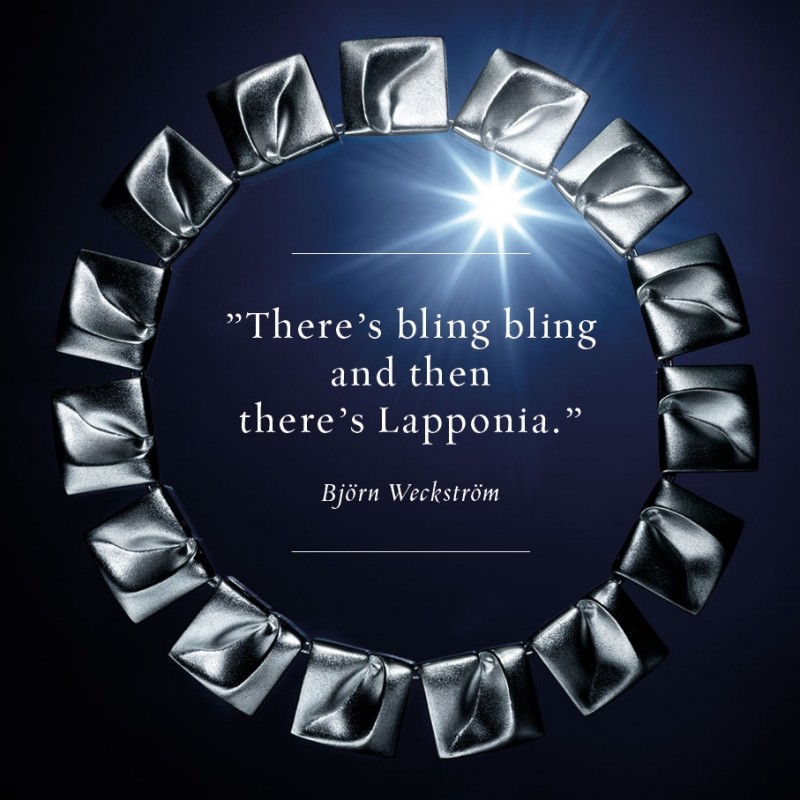
Kalevala jewelry
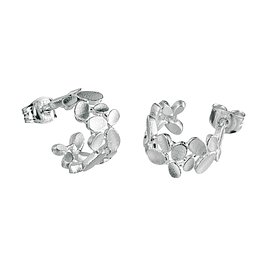
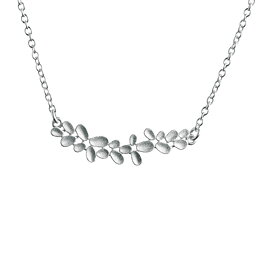
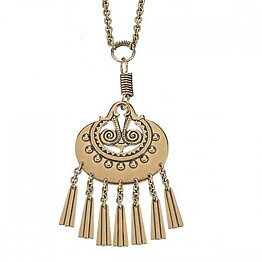
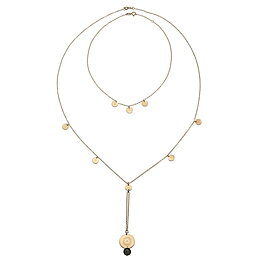
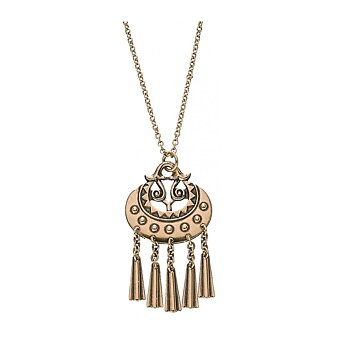
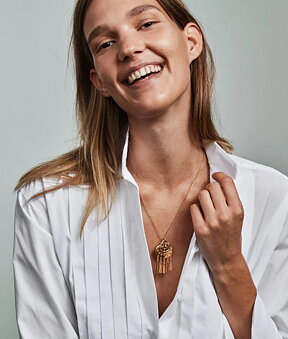
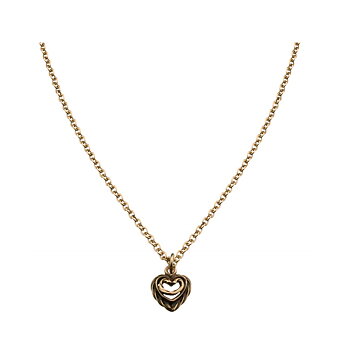
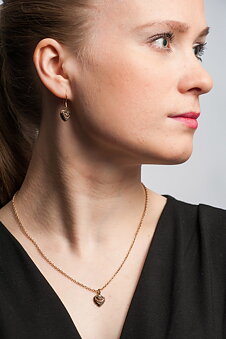
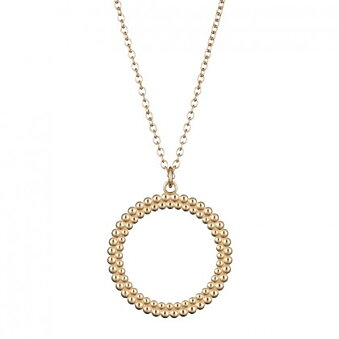
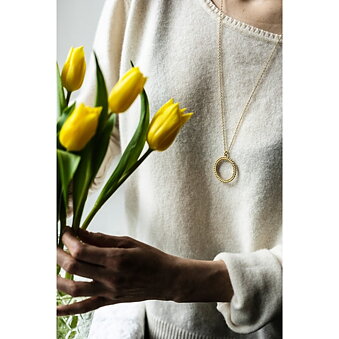
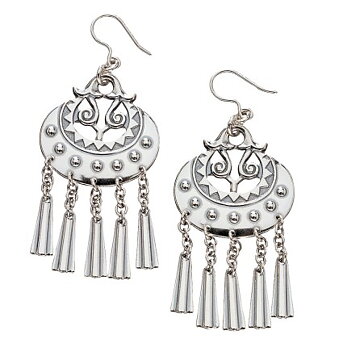
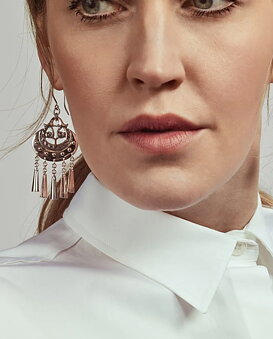
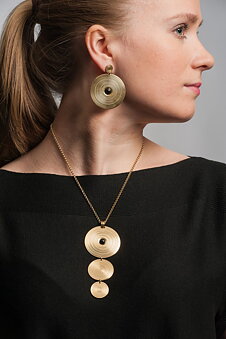
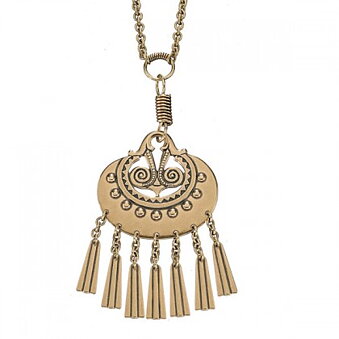
Kalevala Koru is one of the largest jewelry manufacturers in Northern Europe. They manufacture and design all their jewelry in Finland. The jewelry is made in silver, gold and bronze. They are especially good at bringing out the luster in bronze, on some jewelry you can almost mistake it for gold. Kalevala Koru is owned by the Kalevala Women's Association, which works hard to preserve and promote Finland's cultural heritage.

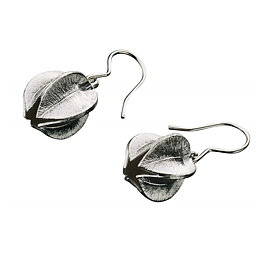
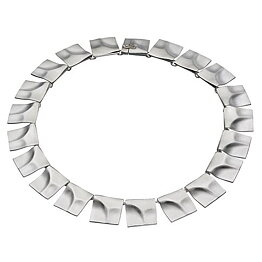
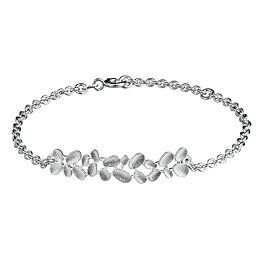


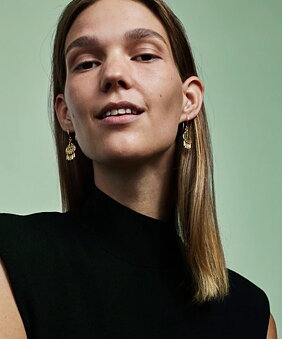
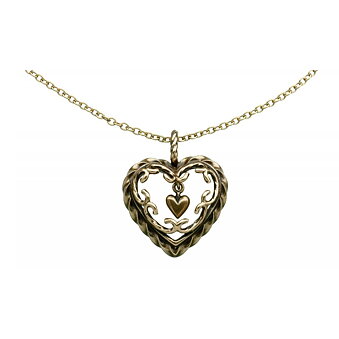

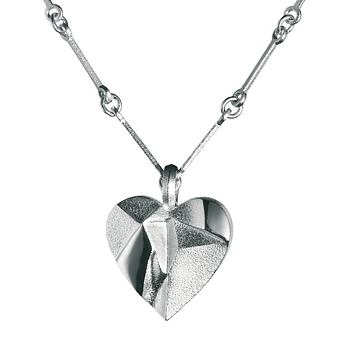
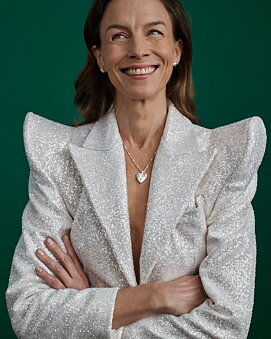
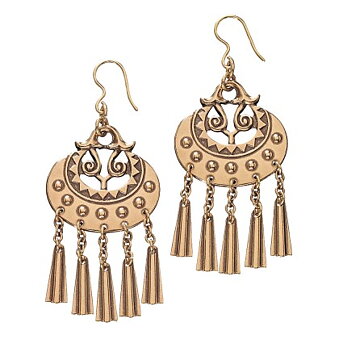
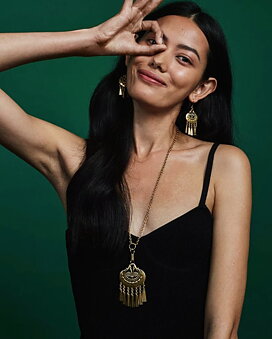

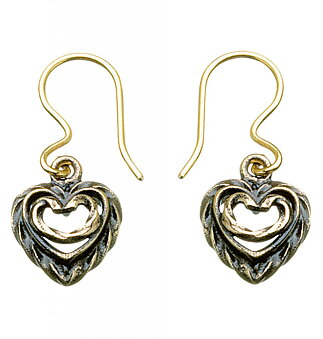

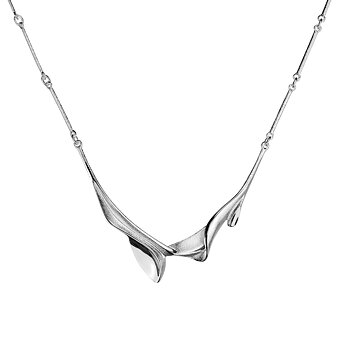
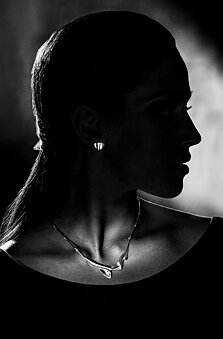
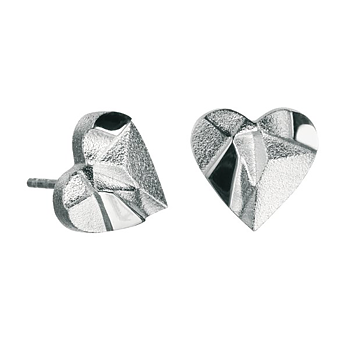


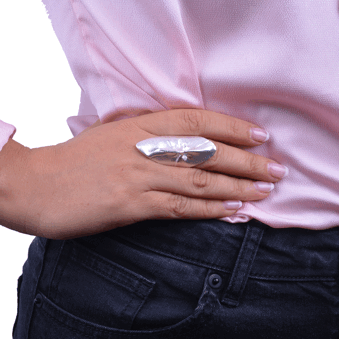
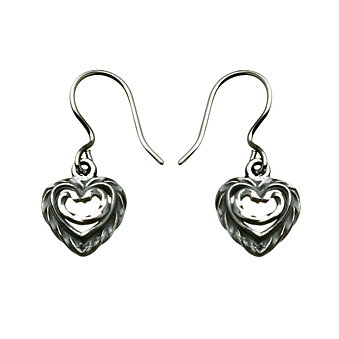
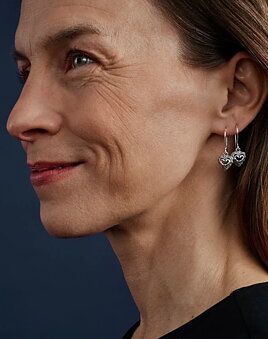
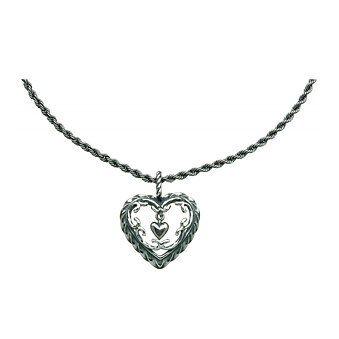




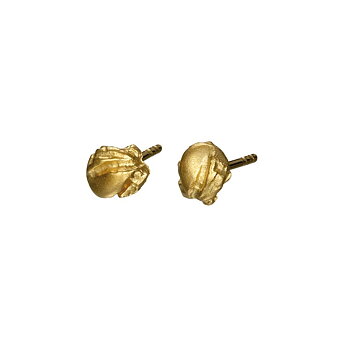

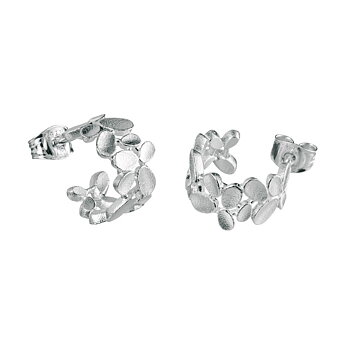
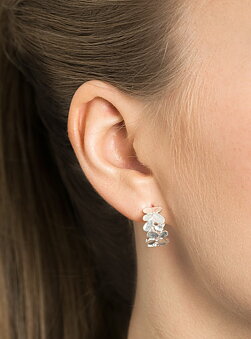
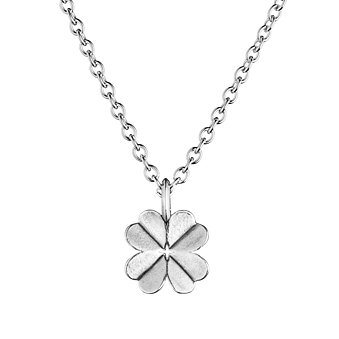
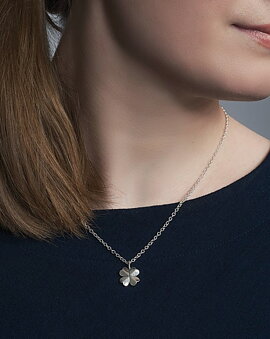


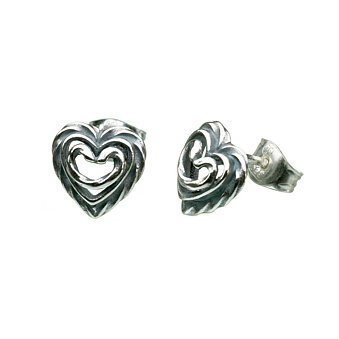
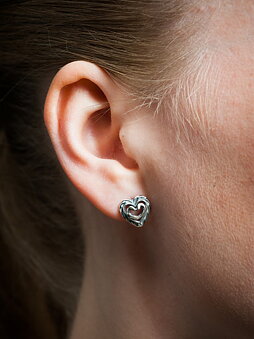

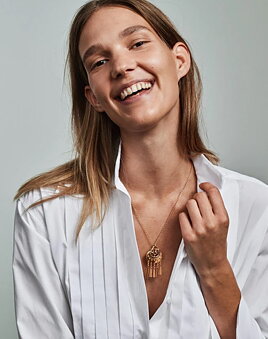

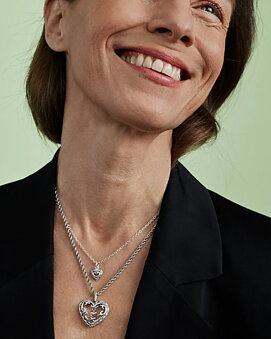
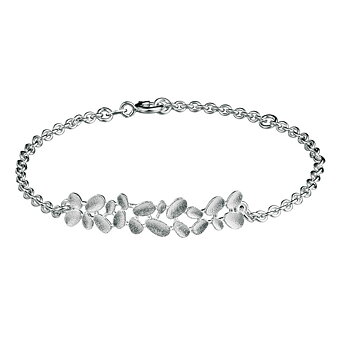
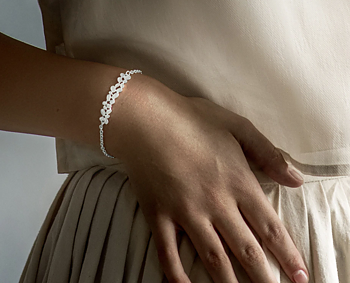
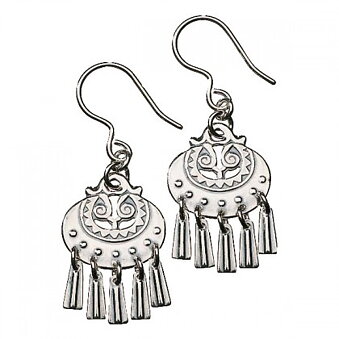
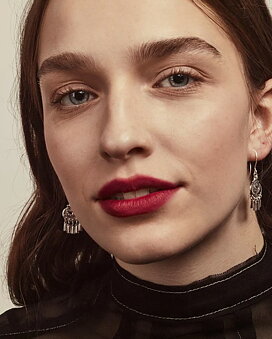
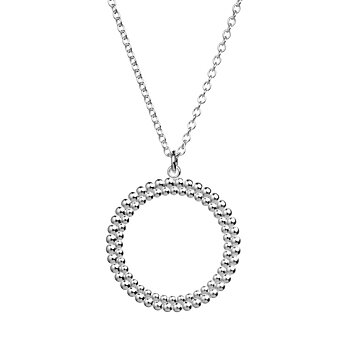
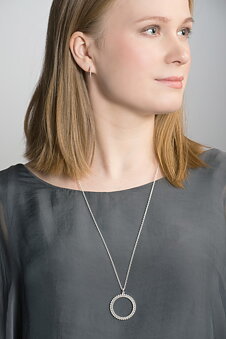
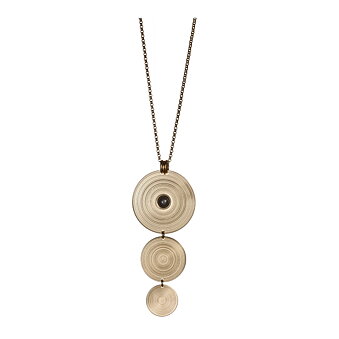



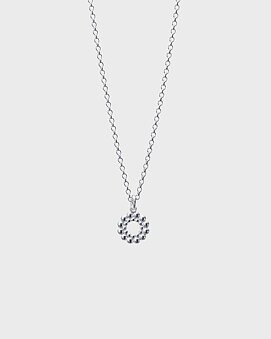
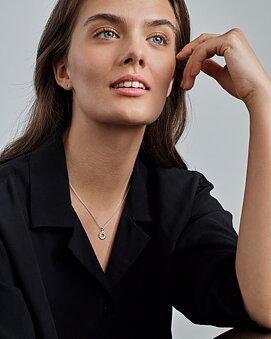


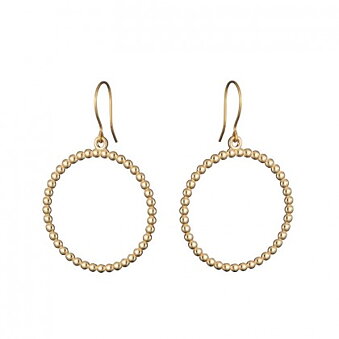
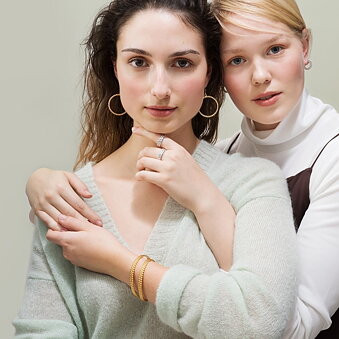
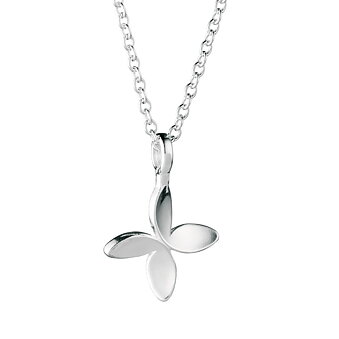
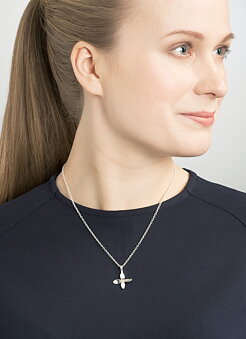


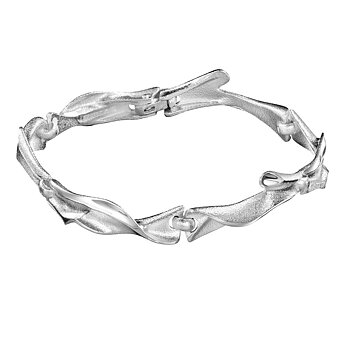

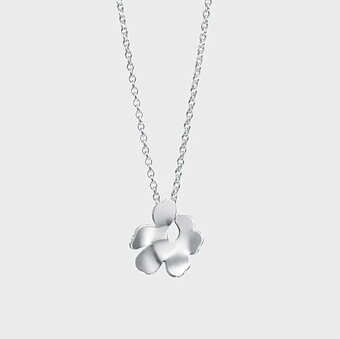
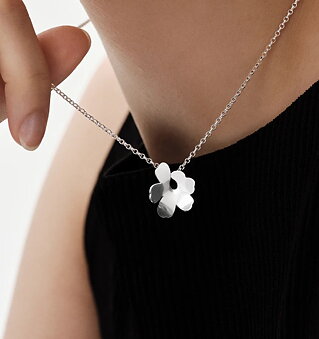
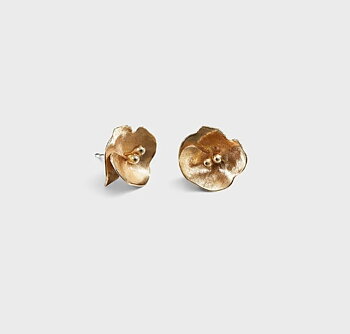
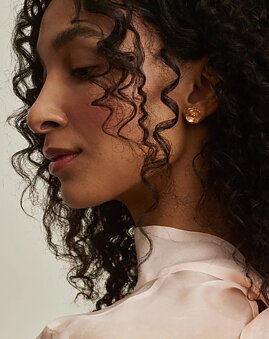
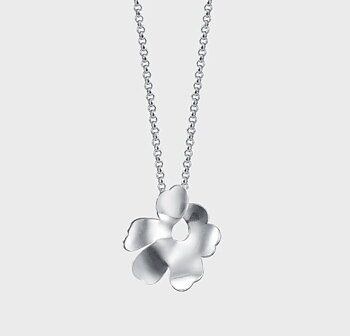
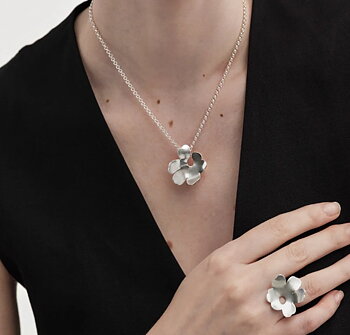
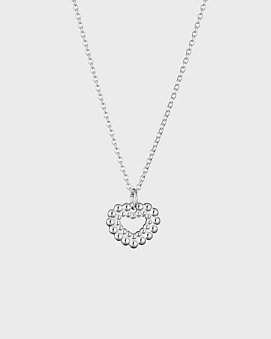
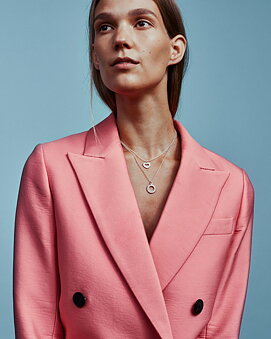

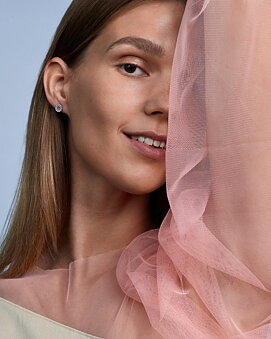

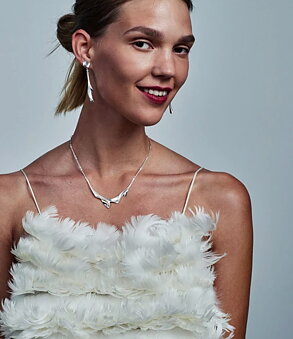
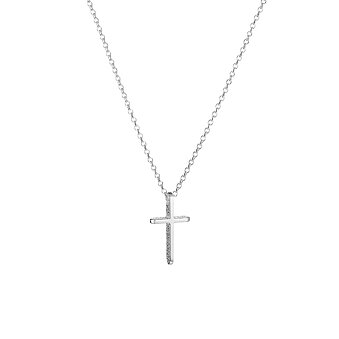
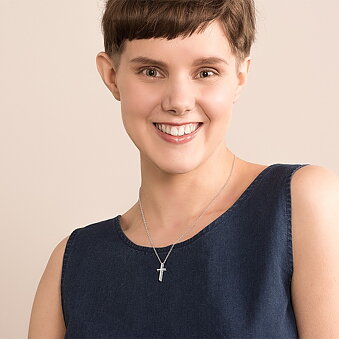


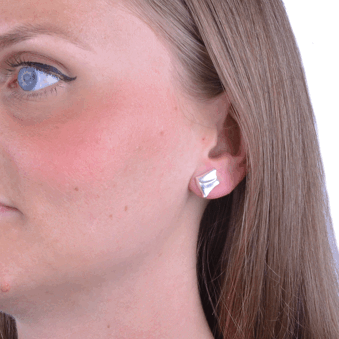


Kalevala Jewelry
Kalevala Koru was founded in 1937 and is the most popular jewelry company in all of Finland . As well as the largest employer of goldsmiths in the whole country. Their jewelry is handmade in the company's own workshop in Helsinki. Finnish production and social responsibility are important points of view for the company. The jewelry company is owned by the Kalevala Womens Association, which supports Finnish cultural heritage. Kalevala Koru awards grants every year to preserve and develop Finnish cultural heritage.

The author Elsa Heparouta wanted to create a world of timeless beauty and sustainable value. She and a group of socially active women started selling jewelry to finance another statue for the Finnish woman på the 1930s. But instead it was spent like this; approximately the income to help war victims. Special mothers' homes were established to accommodate single mothers with many children. They also donated money to orphanages and temporary homes were given to families who had been evacuated from war-torn Karelia. Today, the unity work continues at the company, which uses its dividend to support and promote Finnish cultural work.
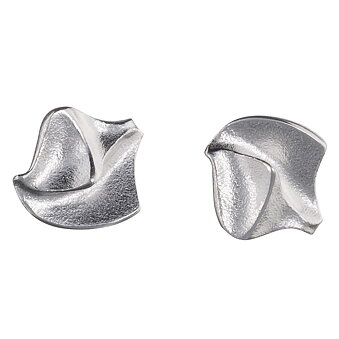
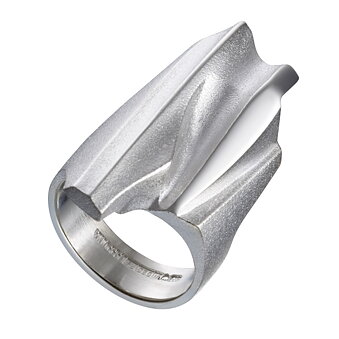
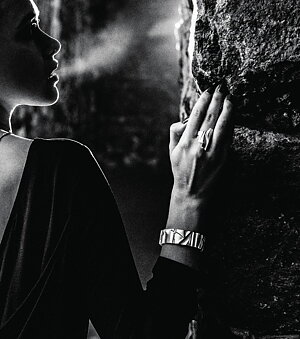
Today, Kaleva has also taken over the company of the extremely popular jewelry brand Lapponia. Lapponia's history began when a woman came in to the young goldsmith Björn Weckström one day 60 years ago. In her hand she had a liquor bottle full of gold nuggets that had been washed up in Lapland. She wanted to make jewelry for her sword daughters. Weckström himself had just visited the Lemmenjoki river in Lapland and had washed up some grease; nuggets of gold and even seen some much larger nuggets whose dull glow had made a deep impression on him. It was gold soå as nature had created it, not something that had been polished into a lifeless material. He became soå inspired and now had plenty of material to work and experiment with. He designed bracelets, rings and necklaces from the gold nuggets while retaining the natural structure and the soft, matte shine.
At the same time around 1960, the goldsmith Pekka Anttila founded Kruunukoru Oy a small goldsmith's workshop that made smooth bracelets, which were very murderous. that time, as well as bismarck chains. The jewelry was of good quality, but Pekka believed that it did not contribute to Finland's future. Something new must be created. Då he happens to see Weckström's jewelry made of the gold from Lapland and he became very interested. Together, they started så slowly develop these unique pieces of jewelry. Their international breakthrough came in 1965 when they launched Björn Weckström's Flowering Wall necklace. The Halbandet won the international jewelry design competition held to celebrate the 400th anniversary of the city of Rio de Janeiro. The rest is history.