
A Complete Guide to Cleaning and Maintaining Silver Jewelry
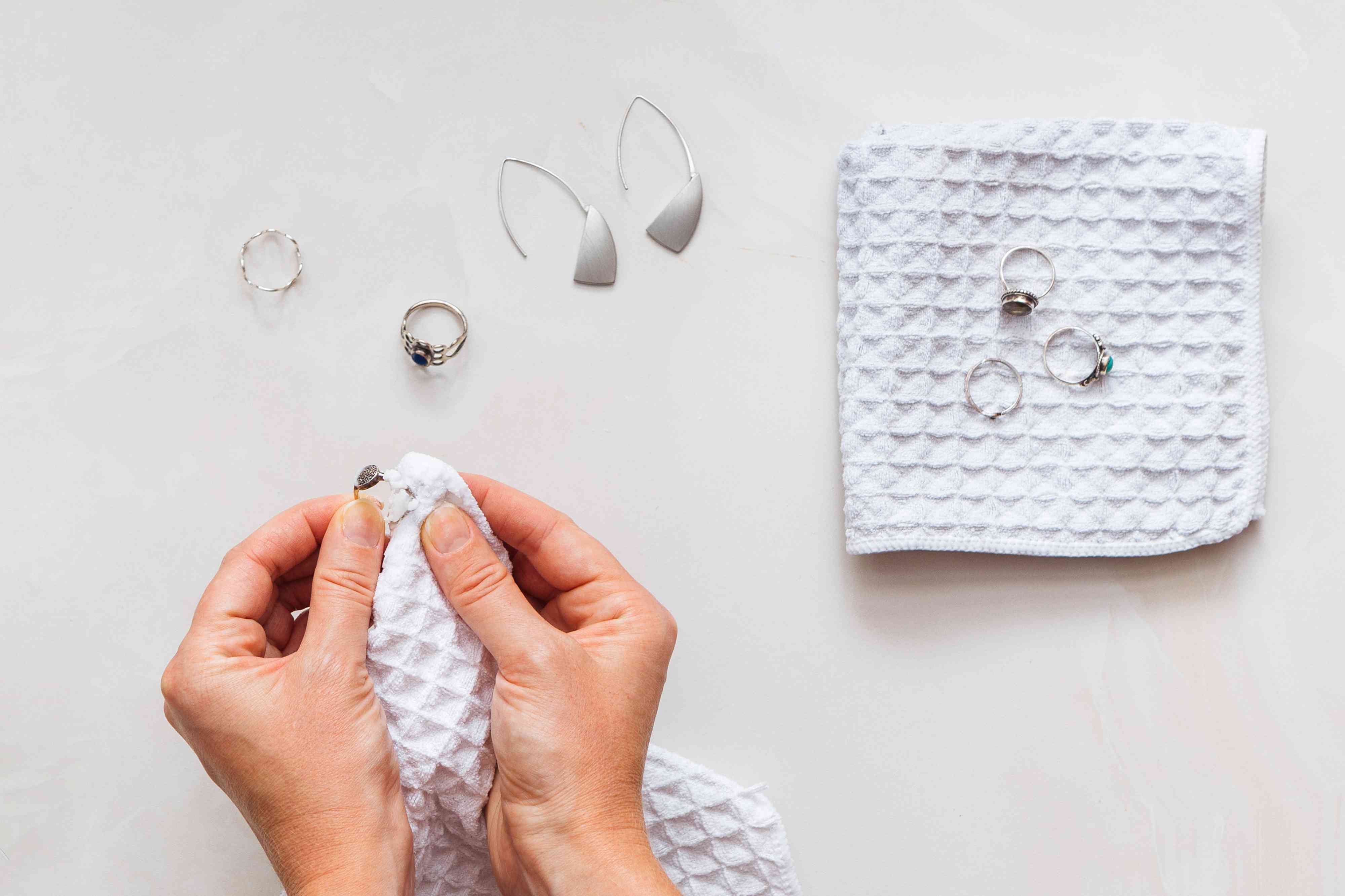
Silver jewelry is prized for its elegance and brilliance, but it also requires regular maintenance to keep its beauty. Over time, silver can oxidize and turn dark or black, which is a natural process that occurs when silver reacts with oxygen and other substances in the air. In this guide, you will learn all about why silver oxidizes, how to clean and maintain your silver jewellery, and tips to prevent discoloration.
Why does silver oxidize and turn black?
Silver turns black over time, it is said that silver oxidizes. When silver is exposed to air, sulphur and other chemicals, silver sulphide forms on the surface, causing the black discoloration (this is true of all silver, including gold-plated silver). This is completely natural and a property "mother nature" left this element silver with. Oxidation can occur for many different reasons. The most common reasons are storage (the jewellery has been unused in its box), bathing with the jewellery (spa baths and seawater cause silver to oxidize quickly), medications, humidity, pollution, contact with certain chemicals and even your skin's natural pH value can affect how quickly oxidation occurs.
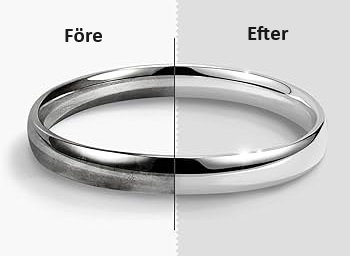
Cleaning silver jewelry
When your jewelry starts to turn black, it's time to clean it. There are several methods to clean silver.
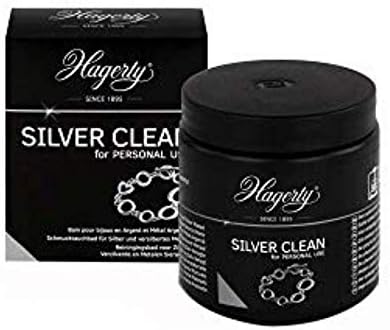
We recommend using silver dip (which is much more effective than any of the household remedies available) available from your local jeweler.
Follow the procedure below:
1. dip your jewelry for about 60 seconds. Usually there is a "basket" that you put your jewelry in when dipping.
2. then pick up the jewelry and rinse off thoroughly with lukewarm/hot water.
We recommend using silver dip (which is much more effective than any of the household remedies available) available from your local jeweler.
Follow the procedure below:
1. dip your jewelry for about 60 seconds. Usually there is a "basket" that you put your jewelry in when dipping.
2. then pick up the jewelry and rinse off thoroughly with lukewarm/hot water.
3. dry with a dry and soft cloth. Possibly also blow with a hairdryer to remove water all over.
It's usually not more difficult than that.
It's usually not more difficult than that.
Feel free to have a newspaper as a base as silver dip can make the sink start to rust and feel free to have a window open or go under a stove fan, as it is not too healthy.
NOTE do not put in jewelry with pearls or sensitive stones
Sometimes you may need to repeat the above procedure and in really bad cases you may have to hand in your jewelry to a jeweler who may polish them on a machine.
Sometimes you may need to repeat the above procedure and in really bad cases you may have to hand in your jewelry to a jeweler who may polish them on a machine.
Keep a newspaper as a base as silver dip can make the sink start to rust and keep a window open, as it is not too healthy.
Silver dip is available at your local jeweler and is always good to have standing under the sink. It is available in several different formats, even as an oblong jar where you can polish your silver cutlery.
Silver dip is available at your local jeweler and is always good to have standing under the sink. It is available in several different formats, even as an oblong jar where you can polish your silver cutlery.
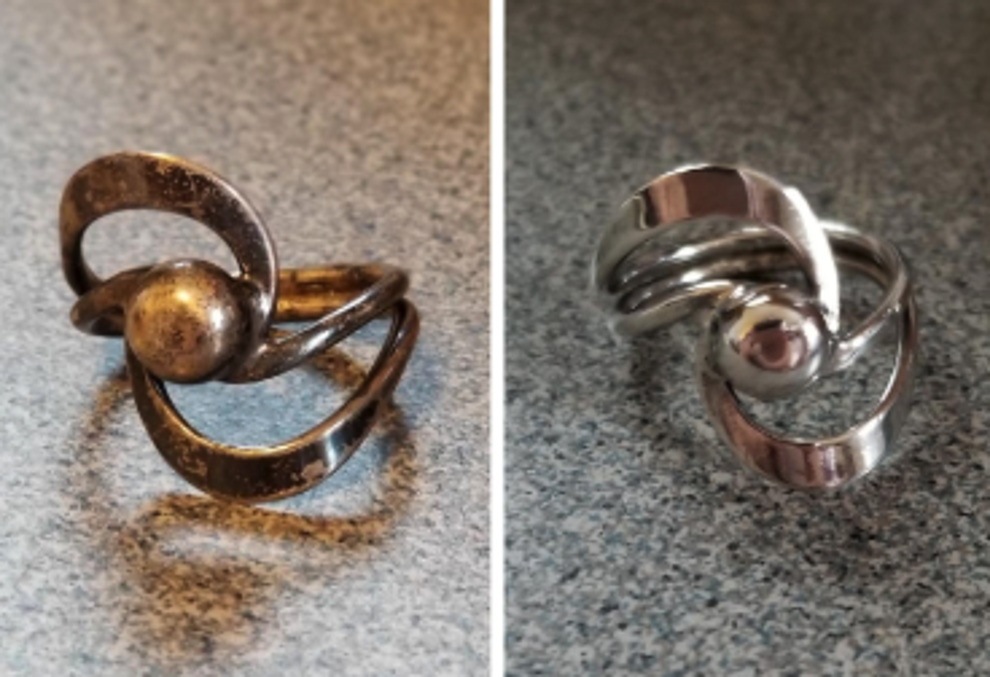
Common causes of oxidation:
Storage: The jewelry has been lying unused in a box for a long time and reigned with sulfur in the air.
It is best to use your silver jewelry, then there will be wear and tear and oxidation will wear away as it occurs.
Air pollution and sulphur: Silver reacts with sulphurous substances in the air, causing the surface to darken.
If you weld, it can cause oxidation. Bathing in the sea, hot tubs or natural springs can cause oxidation on silver.
Humidity: High humidity accelerates the oxidation process.
Chemicals: Perfumes, medicines, hairspray, and detergents can accelerate oxidation.
Skin pH: People with more acidic skin may experience faster oxidation of their jewelry. Eating a lot of eggs or similar foods high in sulphur can be a cause. Certain medications can also be the cause.
It is often difficult to pinpoint the cause of oxidation, but check through the above causes and keep it in mind on a daily basis so you may be able to rule out each one to finally pinpoint the cause.
It is best to use your silver jewelry, then there will be wear and tear and oxidation will wear away as it occurs.
Air pollution and sulphur: Silver reacts with sulphurous substances in the air, causing the surface to darken.
If you weld, it can cause oxidation. Bathing in the sea, hot tubs or natural springs can cause oxidation on silver.
Humidity: High humidity accelerates the oxidation process.
Chemicals: Perfumes, medicines, hairspray, and detergents can accelerate oxidation.
Skin pH: People with more acidic skin may experience faster oxidation of their jewelry. Eating a lot of eggs or similar foods high in sulphur can be a cause. Certain medications can also be the cause.
It is often difficult to pinpoint the cause of oxidation, but check through the above causes and keep it in mind on a daily basis so you may be able to rule out each one to finally pinpoint the cause.
How to Prevent Oxidation
To prevent your silver jewelry from turning black, it is important to take preventive measures:
Wear the jewelry regularly: Wearing your silver jewelry regularly reduces the risk of oxidation, as the surface is kept polished.
Storage: Store your jewelry in an airtight container or plastic bag when not in use. This will protect them from humidity and pollution.
Avoid chemicals: Take off your jewelry when using perfumes, hairspray or cleaning products, and when showering or bathing.
Protect from humidity: Don't store your jewellery in the bathroom, as high humidity can accelerate oxidation.
Storage: Store your jewelry in an airtight container or plastic bag when not in use. This will protect them from humidity and pollution.
Avoid chemicals: Take off your jewelry when using perfumes, hairspray or cleaning products, and when showering or bathing.
Protect from humidity: Don't store your jewellery in the bathroom, as high humidity can accelerate oxidation.
Things to consider when cleaning
Be careful with jewellery that has oxidized details or set stones, as some methods can damage them, especially pearls. If the silver is heavily oxidized, the cleaning process may need to be repeated several times. Sometimes professional cleaning or mechanical polishing may be necessary.
Maintaining your jewelry
In order for your silver jewelry to retain its shine and beauty over time, it is important to care for it regularly. Here are some additional tips for maintenance:
Polish regularly: Use a silver polishing cloth to keep the surface shiny and free of discoloration.
Avoid contact with other metals: Store your jewelry separately to avoid scratches and chemical reactions between different metals.
Submit for polishing: In case of deep scratches or heavy oxidation, you can submit your jewelry for professional polishing by a jeweler.